 Auditory Scene

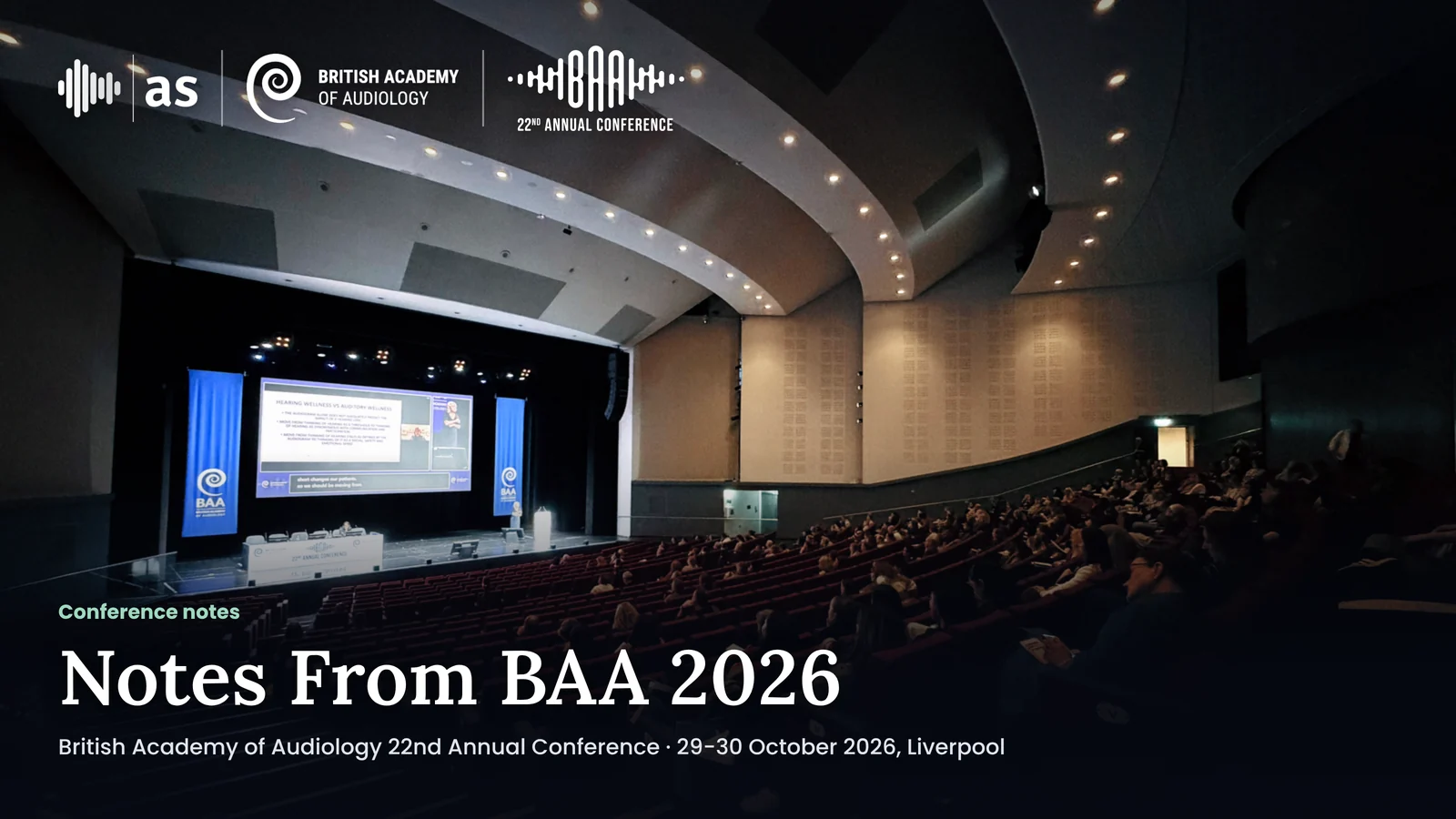
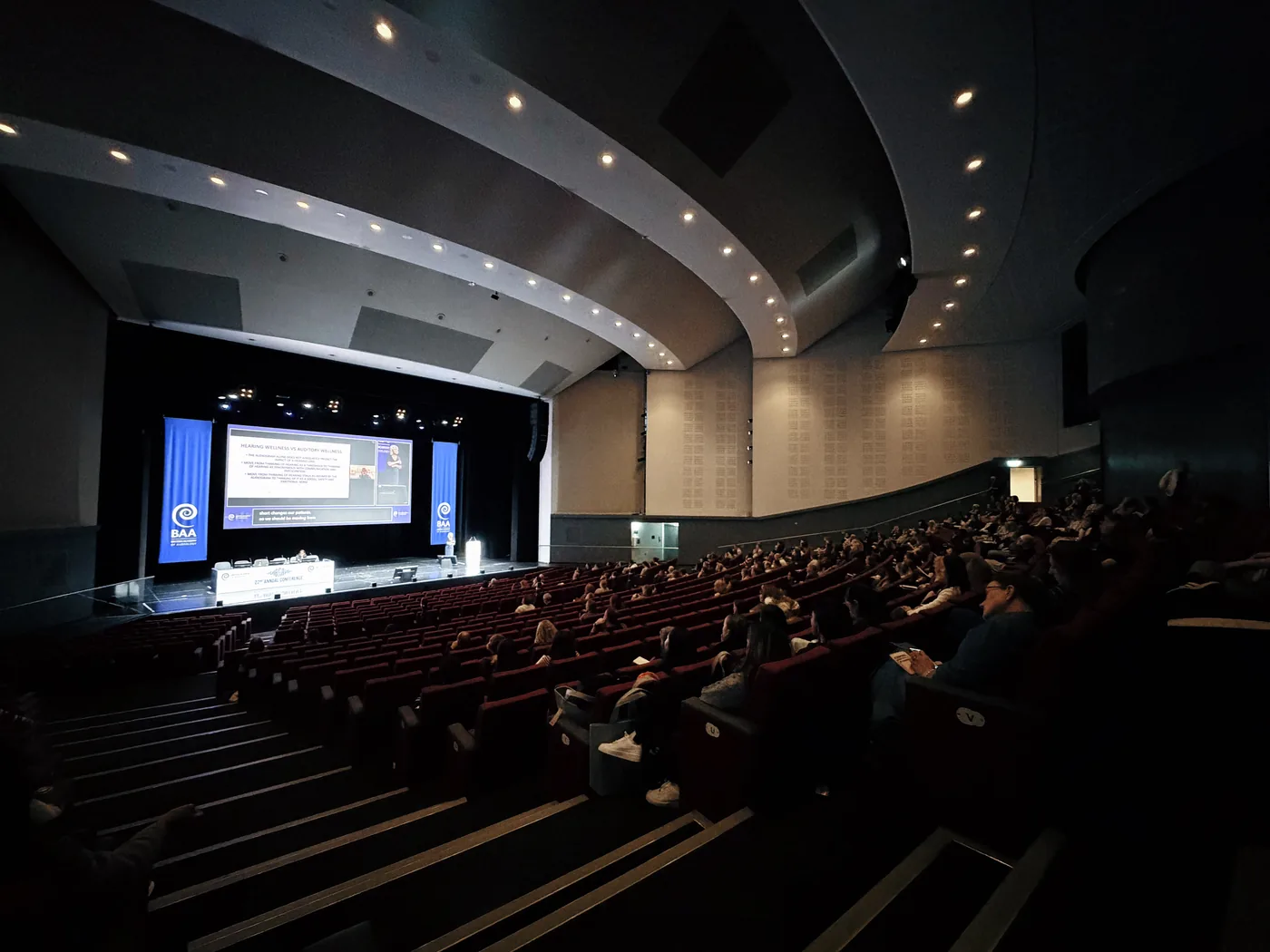
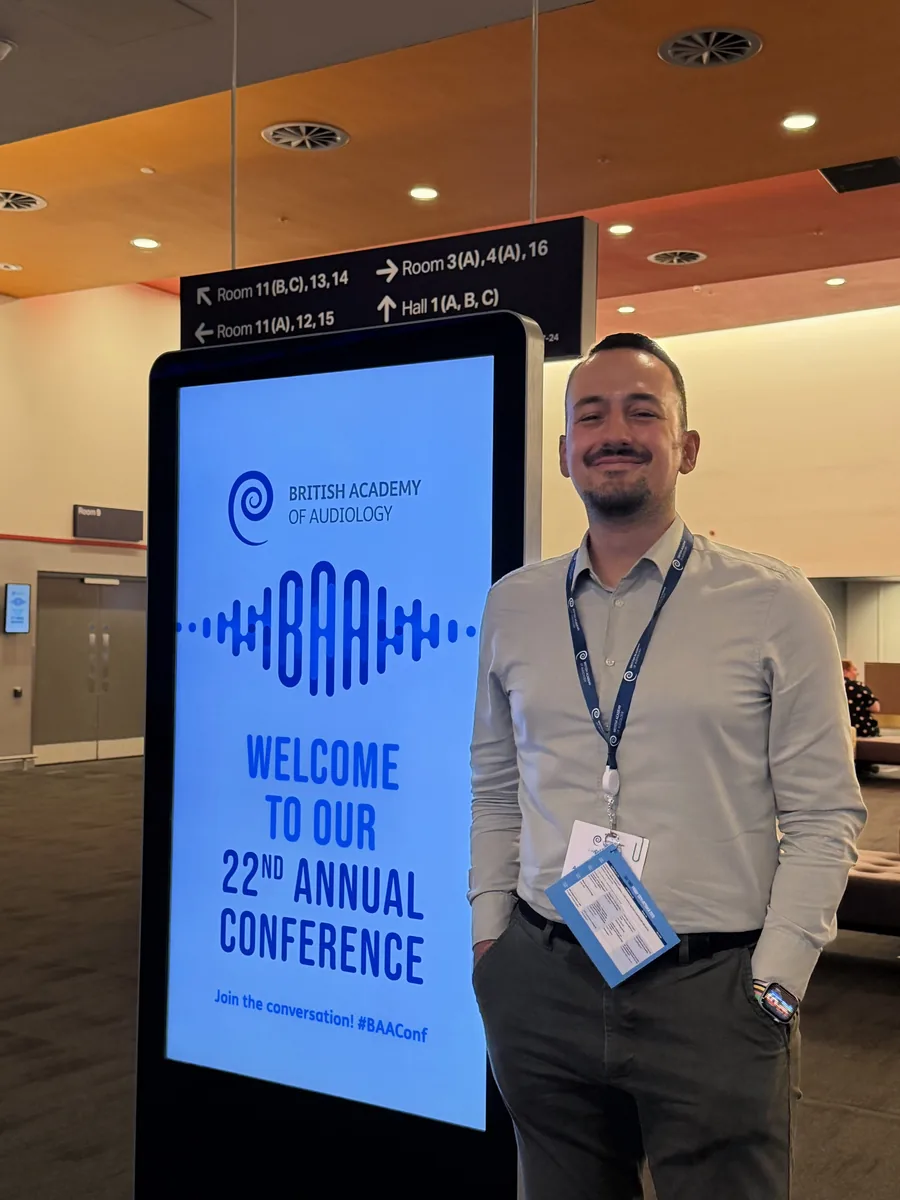
The British Academy of Audiology (BAA) held its annual conference on 29-30 October this year at the Liverpool Experience Campus on the banks of the Mersey.1 Over two days, the programme of the BAA's 22nd annual conference brought together keynotes, clinical updates, research presentations and continuing professional development sessions.
After the fifty-two rooms of the IFOS congress in Istanbul in September, Liverpool felt far more compact. The programme ran in four rooms at once: two auditoria, a meeting room and the Private Practice Pod, set up inside the exhibition hall for sessions aimed at clinicians working in independent practice. At a conference of this size, you keep running into the same people in the rooms, the corridors and the exhibition hall over the two days.
The oral free paper session featured seven studies selected from a large number of submissions, while the posters were displayed in a corridor of their own.2 BAA President Claire Benton opened the conference, and the closing address at the end of the second day was given by Dr Saima Rajasingam, who took over the presidency.
Children were at the centre of the programme
The conference opened with the Bamford Paediatric Lecture, which the BAA devotes each year to paediatric audiology. Susan Scollie of Western University spoke about how advanced technologies can be put to use in fitting hearing aids and earmoulds for children.1 Paediatric topics continued through the rest of the first day. Ryan McCreery of Boys Town National Research Hospital gave two talks: one on identity and belonging in teenagers who wear hearing aids, the other on managing mild and unilateral hearing loss in children. The title of the second summed up the programme's stance in this area: "'One' or 'mild' isn't minor".
RECD was the subject of two separate talks. One of them particularly caught my attention: Sarah Grinn of Central Michigan University asked whether RECD can be predicted from easily measured variables such as height, head circumference and ear canal volume on tympanometry when a direct real-ear measurement is not possible. The clinical workload and resource implications of targeted follow-up after newborn hearing screening, and information materials prepared for young people with microtia and their families, were also among the paediatric topics.
Hearing aids and cognition
At IFOS, the sessions on hearing loss and dementia shared a common starting point: the Lancet Commission's table placing hearing loss at the top of the modifiable risk factors for dementia. In Liverpool, one talk in the programme approached the same debate from another angle. The title of Melanie Ferguson's presentation was "High level evidence for hearing aids shows no effect on cognition and mental health: Cochrane review 2026".1
Seeing both ends of the same debate a few weeks apart was interesting: epidemiological data at IFOS, and in Liverpool the updated Cochrane review, which pools 16 randomised controlled trials. According to the review, hearing aids give adults with mild to moderate hearing loss large benefits in hearing-specific quality of life and listening ability and a small benefit in general health-related quality of life. Across cognitive outcomes, including working memory, there were no clear improvements, and mental health outcomes such as loneliness, depression and anxiety showed little or no effect. The certainty of this evidence, however, is low or very low.3 The review does not show that hearing aids have no effect on cognition; the trials so far are not enough to demonstrate one. The two findings need not contradict each other. Kevin Munro's talk, which revisited how the relationship between hearing loss and dementia should be communicated, and Rohani Omar's talk on cognitive health in audiology practice were also part of this conversation.
The second day also began with older adults. In the day's invited keynote, the Adrian Davis Lecture, Barbara Weinstein of the City University of New York spoke about an "auditory wellness" approach to working with older adults. Hearing Barbara Weinstein, author of Geriatric Audiology, one of the core texts in the field, was a particular pleasure for me.
The same morning, Kevin Munro presented the first findings of the FAMOUS trial. The trial tests whether a structured follow-up and support plan increases hearing aid use and benefit in adults offered a hearing aid for the first time by the NHS, the UK's public health service. In this randomised controlled trial, run across 36 NHS hearing clinics, randomisation takes place at the level of the clinic rather than the patient: each clinic delivers either current follow-up care or the four-step FAMOUS support plan.4
AI and automation in the clinic
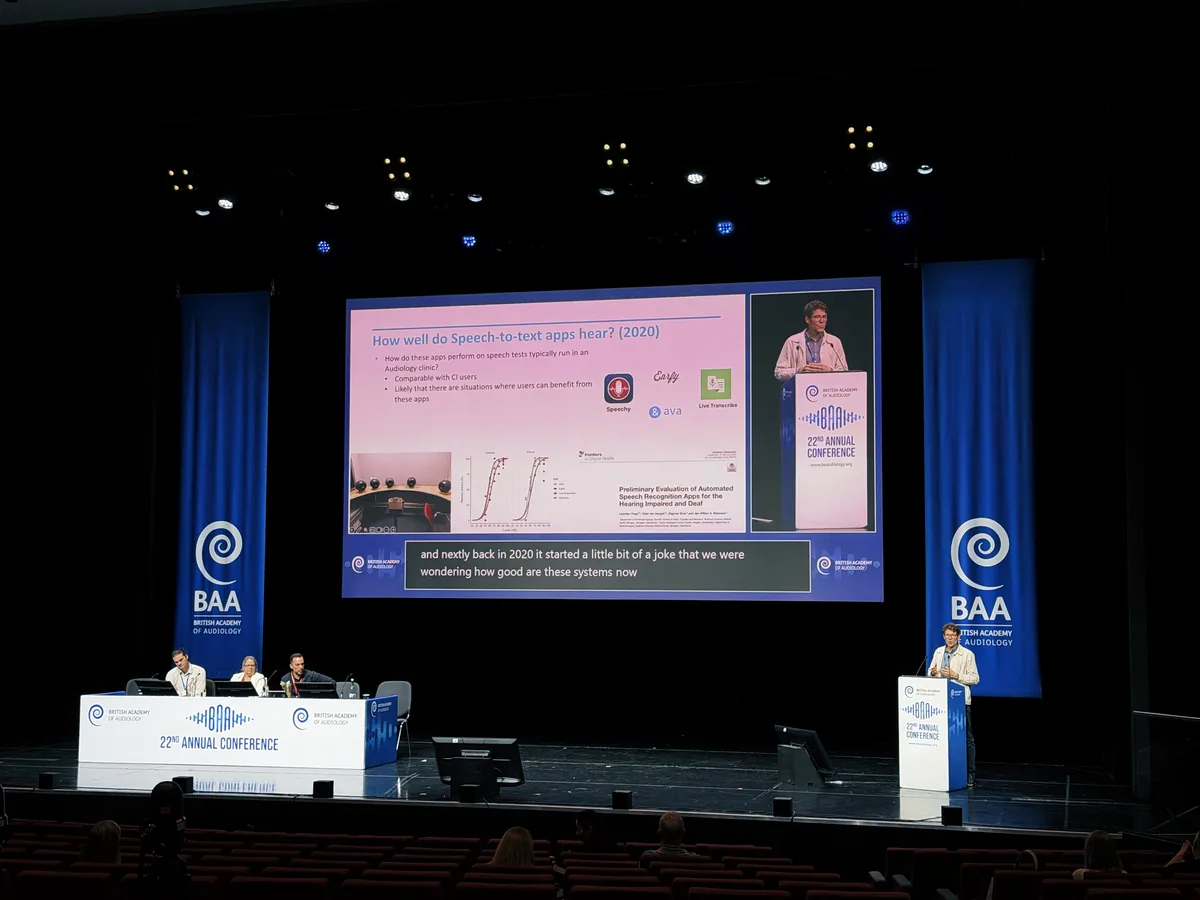
Artificial intelligence in healthcare was one of the themes highlighted in the conference publicity.1 It came to the fore on the afternoon of the first day. Jan-Willem Wasmann, chair of the Computational Audiology Network, spoke about blind spots in human-machine communication, while Liam Barrett of University College London discussed how AI could speed up hearing tests. Rebecca Carpenter of Aneurin Bevan University Health Board took up a less discussed subject that may matter just as much in the clinic, describing how robotic process automation (RPA) has eased the administrative workload of audiology departments.
On the fitting side, NAL-NL3 was on the programme again, this time in Simon Howe's talk "Fit for Purpose". The new prescription formula that Paola Incerti introduced at IFOS was being discussed in Liverpool a few weeks later in terms of what it means in the clinic. Self-administered automated audiometry (AMTAS) and uses of real-ear measurement beyond target matching were also on the programme.
Communication, culture and patient experience
Another aspect of the programme that caught my attention was the space it gave to communication and patient experience alongside technical topics. In one of the first day's keynotes, Piers Dawes of the University of Queensland asked what culturally responsive care in audiology is and how it can be scaled up. Alison Pilnick of Manchester Metropolitan University spoke about why communication matters in healthcare, and Gabrielle Saunders of the University of Manchester about communication gaps in hearing care.
The first day closed with a talk by Jo Milne. Milne, who has lived with hearing loss all her life because of Usher syndrome and has gradually lost her sight as well, is known for the video filmed in 2014, when her cochlear implants were switched on at the age of 40. The video, showing the moment she heard the days of the week read aloud for the first time, attracted worldwide attention at the time.5 Today Milne campaigns for people living with combined sight and hearing loss.
The programme was also clearly service-focused. The state of NHS audiology services in England, Wales's quality strategy, a survey on IQIPS accreditation for physiological services, external quality assurance in ABR and the redesign of patient pathways were covered in separate sessions. Hearing loss in armed forces veterans, neurodiversity and leadership in the healthcare sciences, and the emotional factors that influence patients' decisions were also on the programme. At IFOS I had followed a programme in which new treatments and technologies took centre stage. Liverpool's programme was more about improving existing services and making sure they reach everyone who needs them.
The keynote that closed the second day focused on telling apart two conditions that are often confused in the clinic. The title of the talk by Mini Gupta of All Ears Hearing & Tinnitus Clinic in Melbourne was "Recruitment or Hyperacusis? Two mechanisms, two management paths".
Live captions and Auracast
Talks in the main auditorium could be followed with live captions running along the bottom of the screen. The auditorium also had an Auracast broadcast. With this broadcast feature of Bluetooth LE Audio, a single transmitter can send sound to an unlimited number of devices at once, without pairing.6 People with an Auracast-enabled hearing device could pick the room's channel on their phone, or scan the QR code at the entrance, and receive the talk directly in their device, free of distance, reverberation and noise; those with a telecoil were offered an Auracast receiver with a neck loop. I think audiology congresses in Turkey, attended by colleagues, students and patient representatives who use hearing aids and cochlear implants, should also offer live captioning and assistive listening systems like this.
The poster corridor
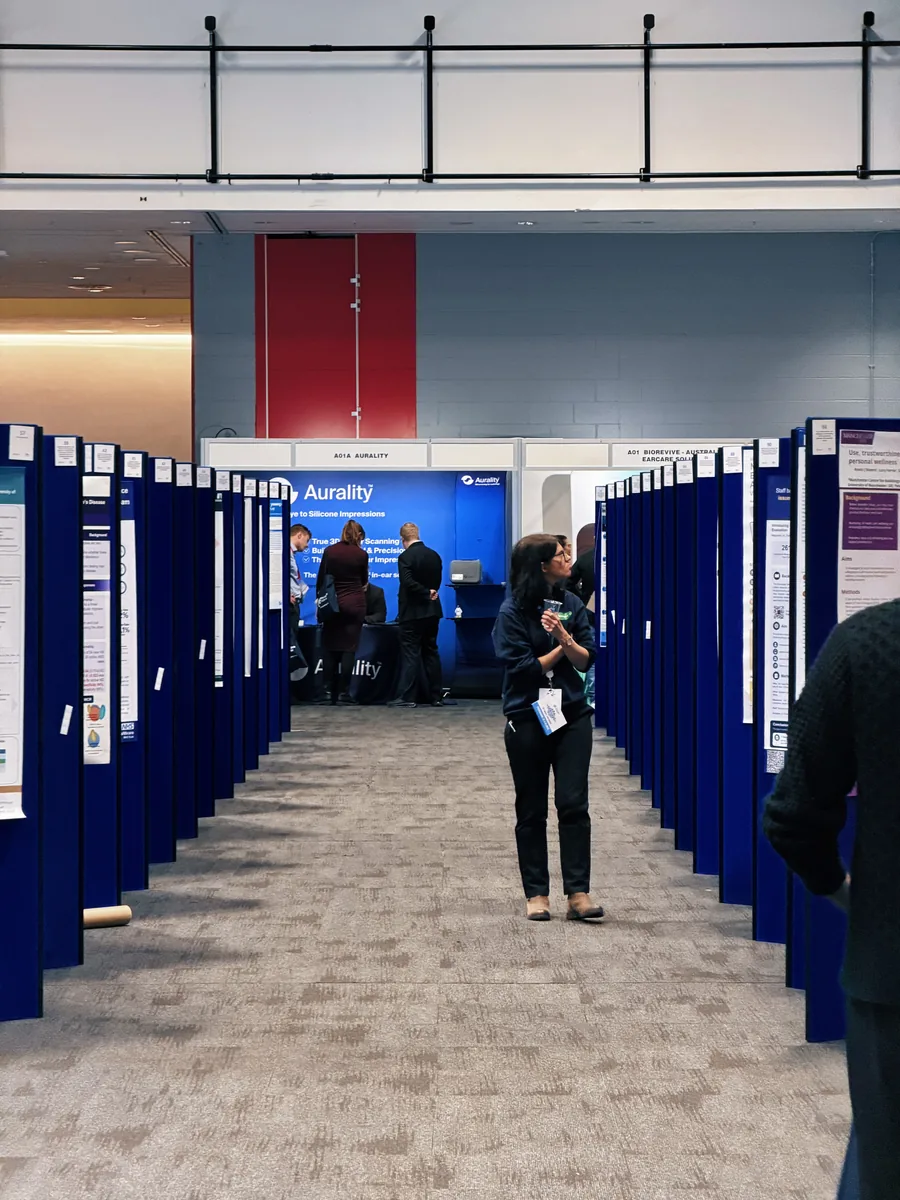
The posters were lined up along a long corridor next to the exhibition hall, and the corridor filled up at every break. A large number of posters were presented this year.2 A few titles that caught my eye on the poster list:
- Using response time as an objective marker of listening effort in people who struggle in noise despite a normal audiogram
- Re-examining the "90% rule", which holds that about 90 percent of children with hearing loss are born to hearing parents, with UK data
- Recording cVEMP and oVEMP simultaneously with bone-conducted stimulation to shorten vestibular testing time by 68 percent
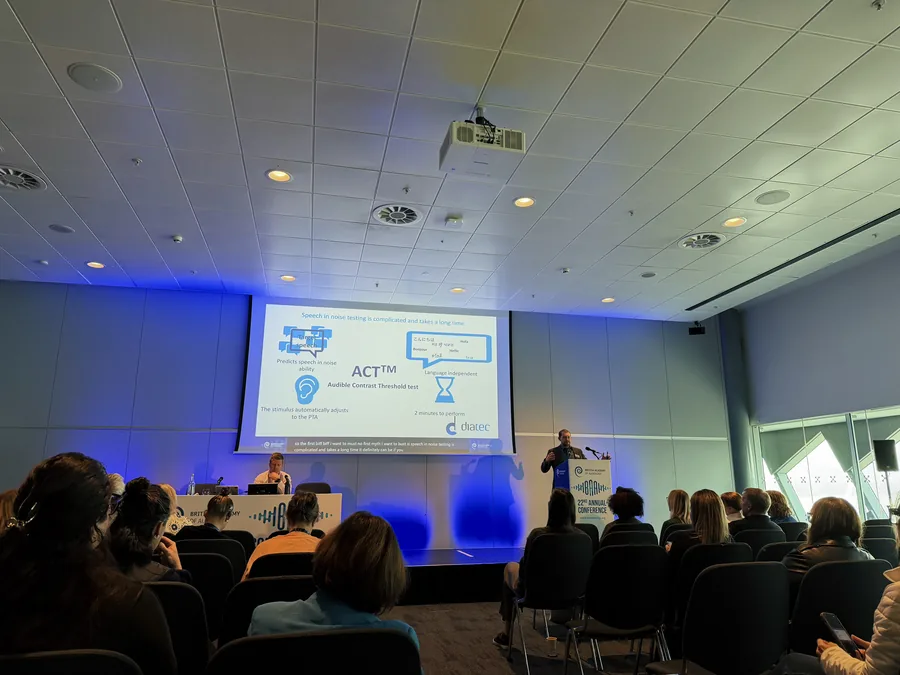
- The first normative data for the Audible Contrast Threshold (ACT) test in school-age children with normal hearing
- A laboratory and clinical evaluation of a low-cost bone conduction listening system in Malawi
Manufacturers and charities on the exhibition floor
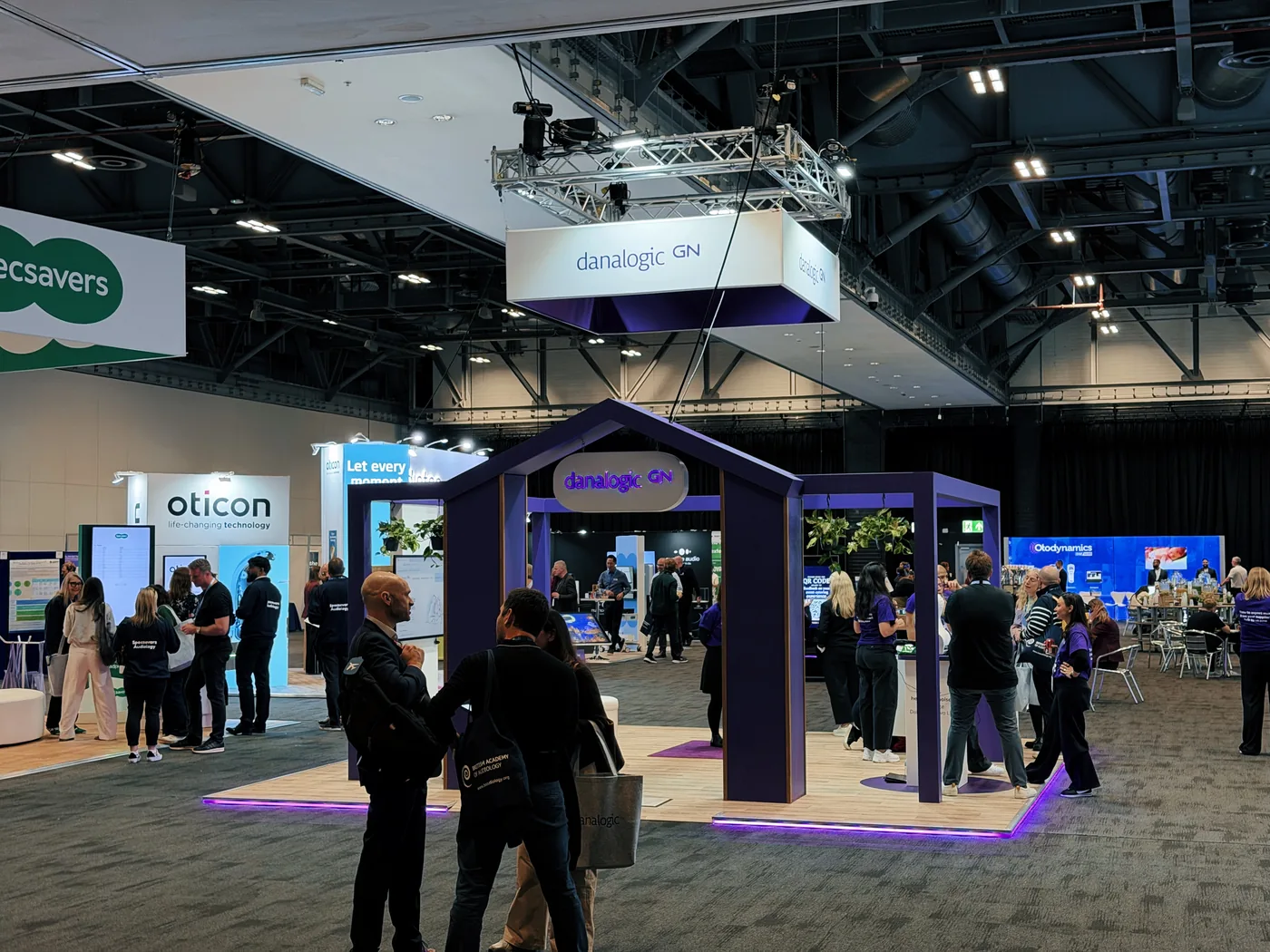
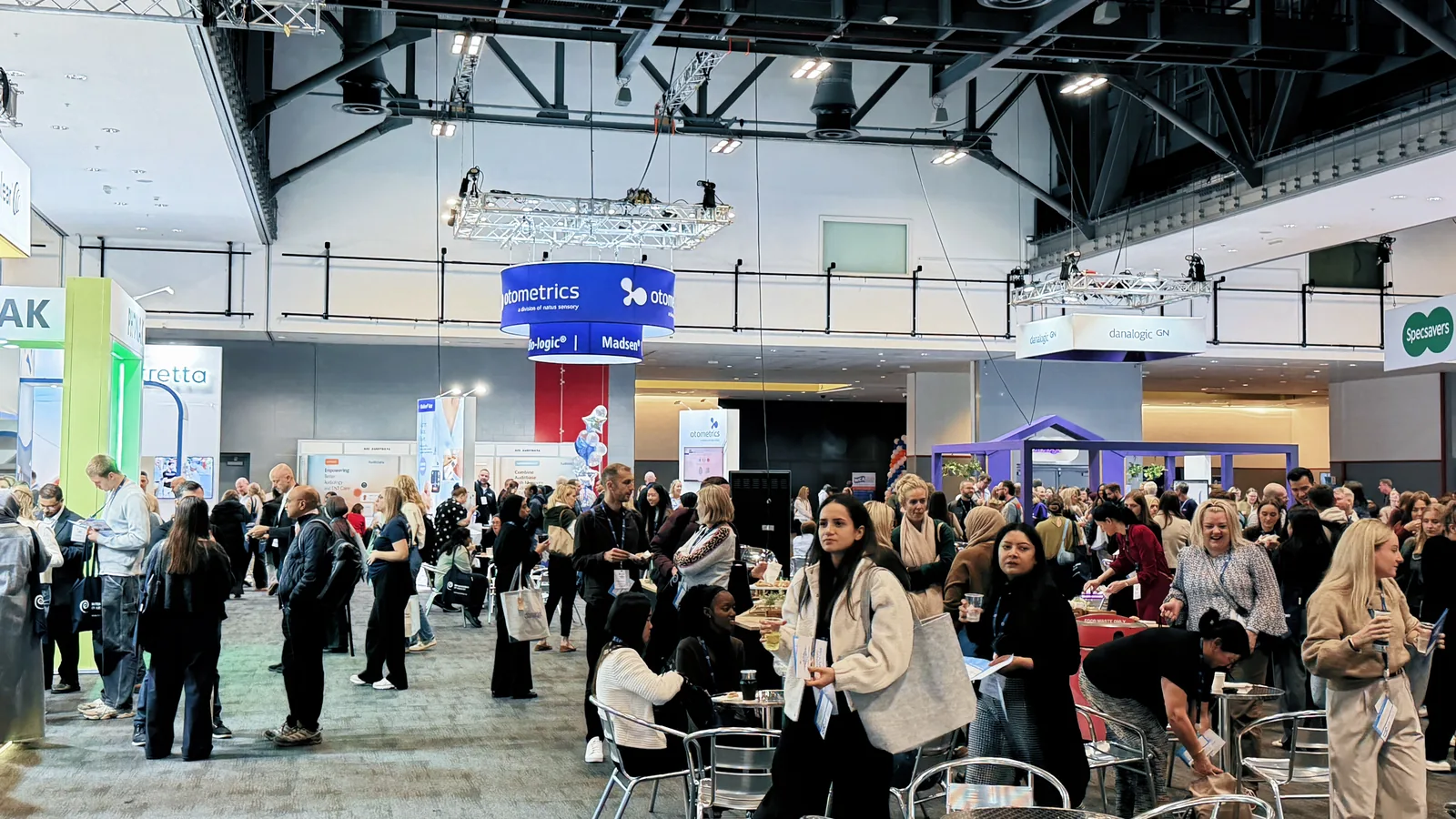
As at IFOS, the exhibition hall was the hub of the conference; coffee breaks, lunch and poster sessions all happened here. Large stands from companies such as Oticon, Phonak, Cochlear, Danalogic GN, Specsavers and Otometrics filled the middle of the hall.
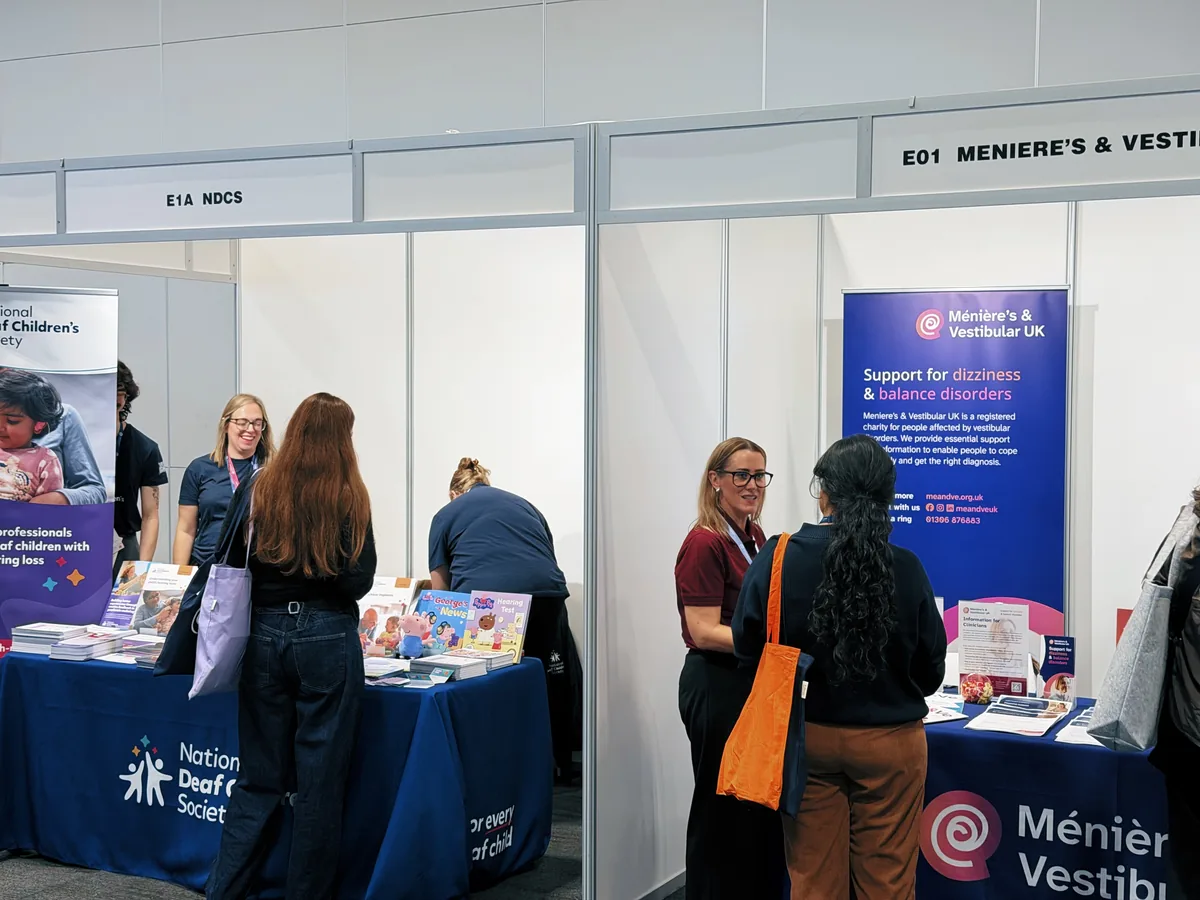
What surprised me most were the charities and foundations placed among these stands. Right next to the National Deaf Children's Society stand was Ménière's & Vestibular UK, and a little further on, Hearing Dogs for Deaf People. RNID, the UK's national charity for people with hearing loss and tinnitus, also had a stand. Clinicians could meet, face to face and in the same hall, the organisations they can refer their patients to.
Professional bodies were on the exhibition floor too. The British Society of Hearing Aid Audiologists (BSHAA), which represents hearing aid audiologists in the UK, and the Association of Independent Hearing Healthcare Professionals (AIHHP), which brings together independent hearing healthcare professionals, both had stands.7
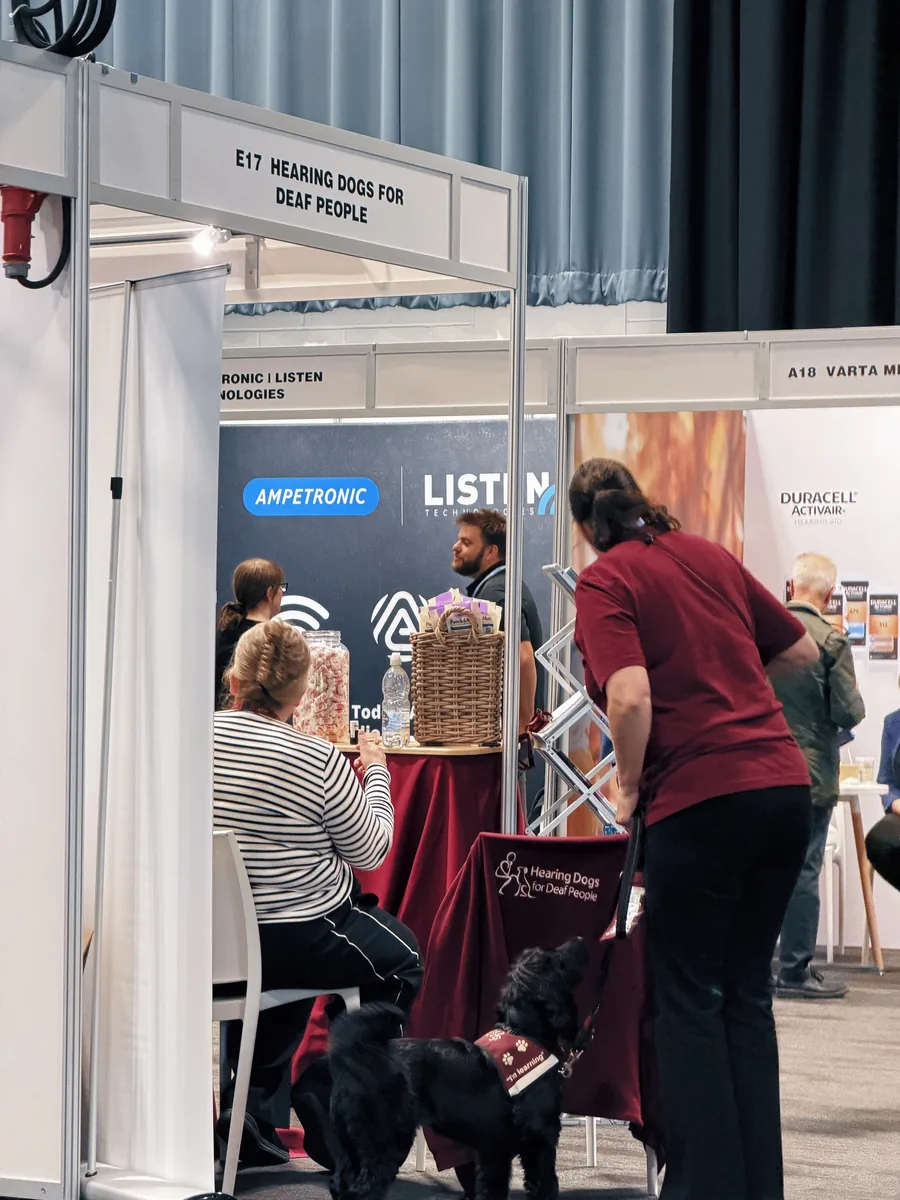
One of the busiest stands belonged to Hearing Dogs for Deaf People. Founded in 1982, the charity trains dogs to notice sounds such as a smoke alarm, an oven timer, a baby monitor or a text message and alert their owners with hearing loss. For danger sounds such as a smoke alarm, the dog does not lead its owner to the sound; it lies down to warn them. Around 2,500 partnerships have been formed since the charity was founded, about 1,000 of which are still active.8
There was also a passport competition: participants completed their passports by visiting the stands, and the winners were announced at the awards ceremony. A good excuse to walk around the exhibition floor for two days.
My Rapid-CAEP talk
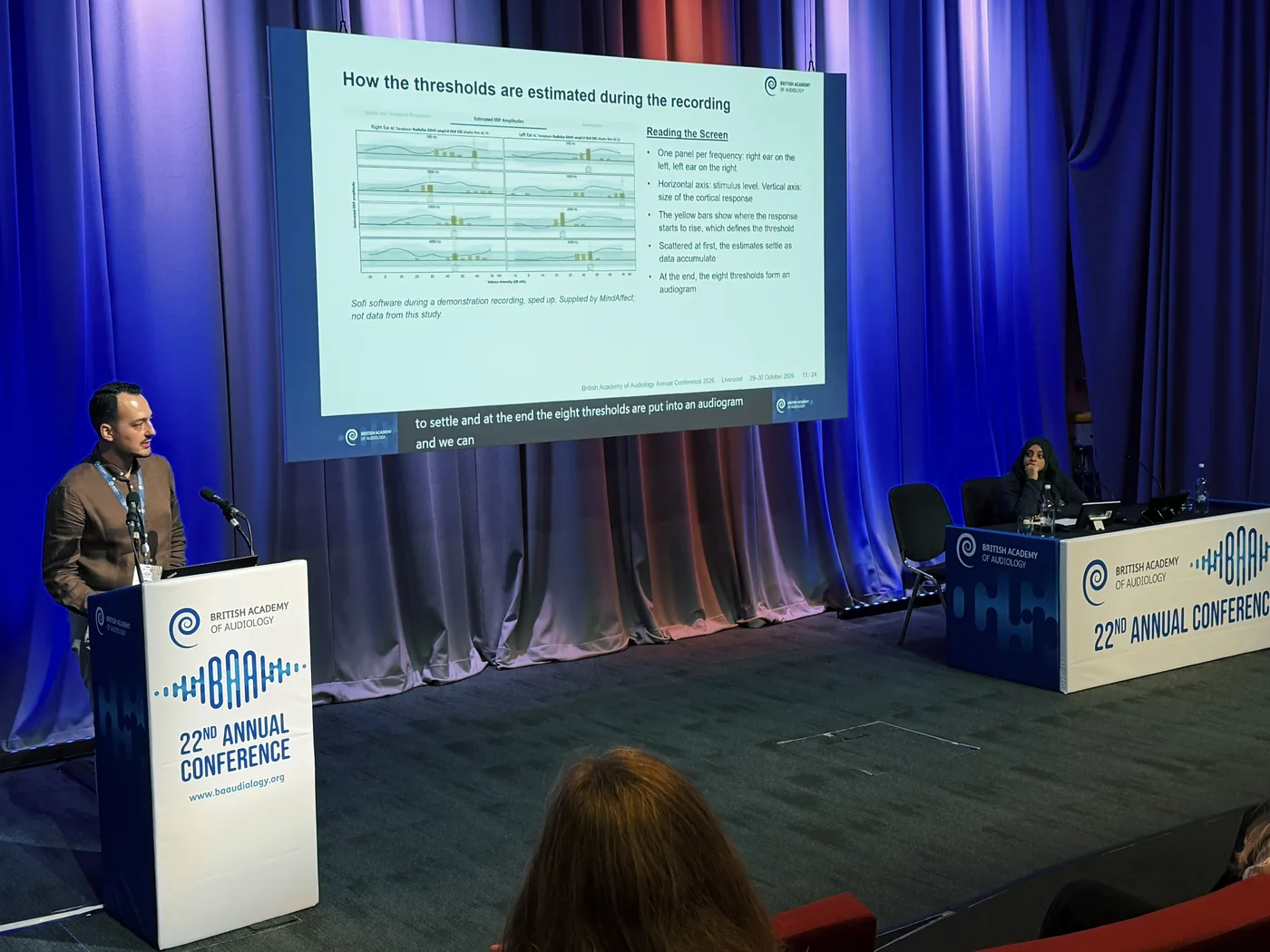
On the second morning of the conference, in the free paper session in Auditorium 1B, I spoke about the use of rapid cortical auditory evoked potentials (Rapid-CAEP) with the Sofi system for objective hearing threshold estimation.1 Estimating hearing thresholds objectively in children who cannot complete behavioural testing, or whose responses are unreliable, is one of the oldest questions in paediatric audiology. In the clinic, this question is largely answered with ABR and ASSR, but in children these tests often require sleep or sedation. With Rapid-CAEP, the child stays awake watching a silent video, and frequency-specific thresholds are estimated from short EEG recordings.9
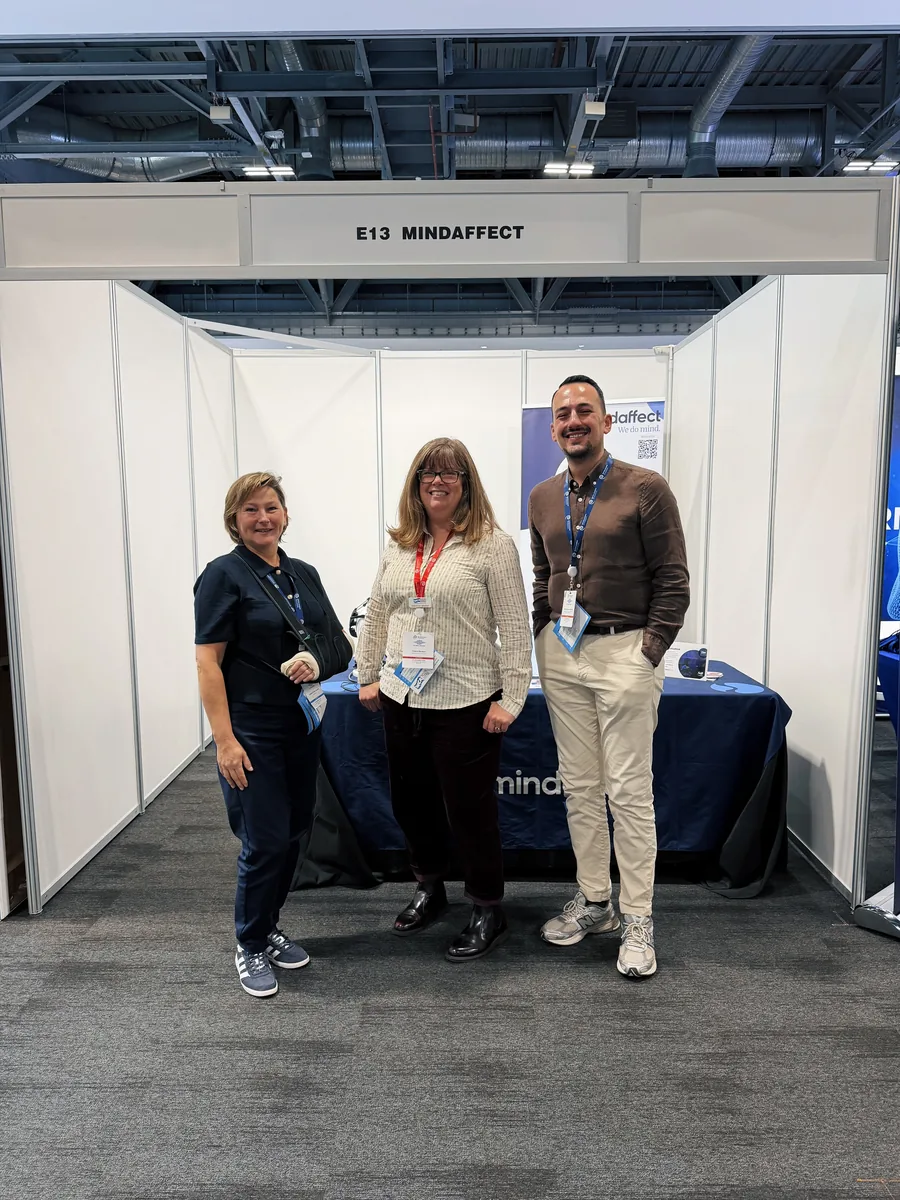
At IFOS we had asked whether the method is feasible in children. In Liverpool we went one step further and focused on how closely thresholds estimated with Rapid-CAEP agree with pure-tone audiometry, and how consistent repeated recordings are in the same child. In the talk I addressed these two questions together with where the method might fit in clinical practice. The session, chaired by Saira Hussain of Aston University, opened with Deborah Vickers of the University of Cambridge presenting BEARS; after me, Sarah Grinn spoke about predicting RECD. MindAffect, which develops Sofi, also had its own stand on the exhibition floor.
- RECD: real-ear-to-coupler difference. The difference between the sound pressure measured in the child's ear canal and the measurement in a standard coupler; used to make hearing aid fittings for children accurate.
- RPA: robotic process automation. Running repetitive administrative tasks such as appointments, referrals and record-keeping automatically with software.
- Rapid-CAEP: a cortical response method that estimates frequency-specific hearing thresholds from short EEG recordings while the patient listens passively.
Closing and the award
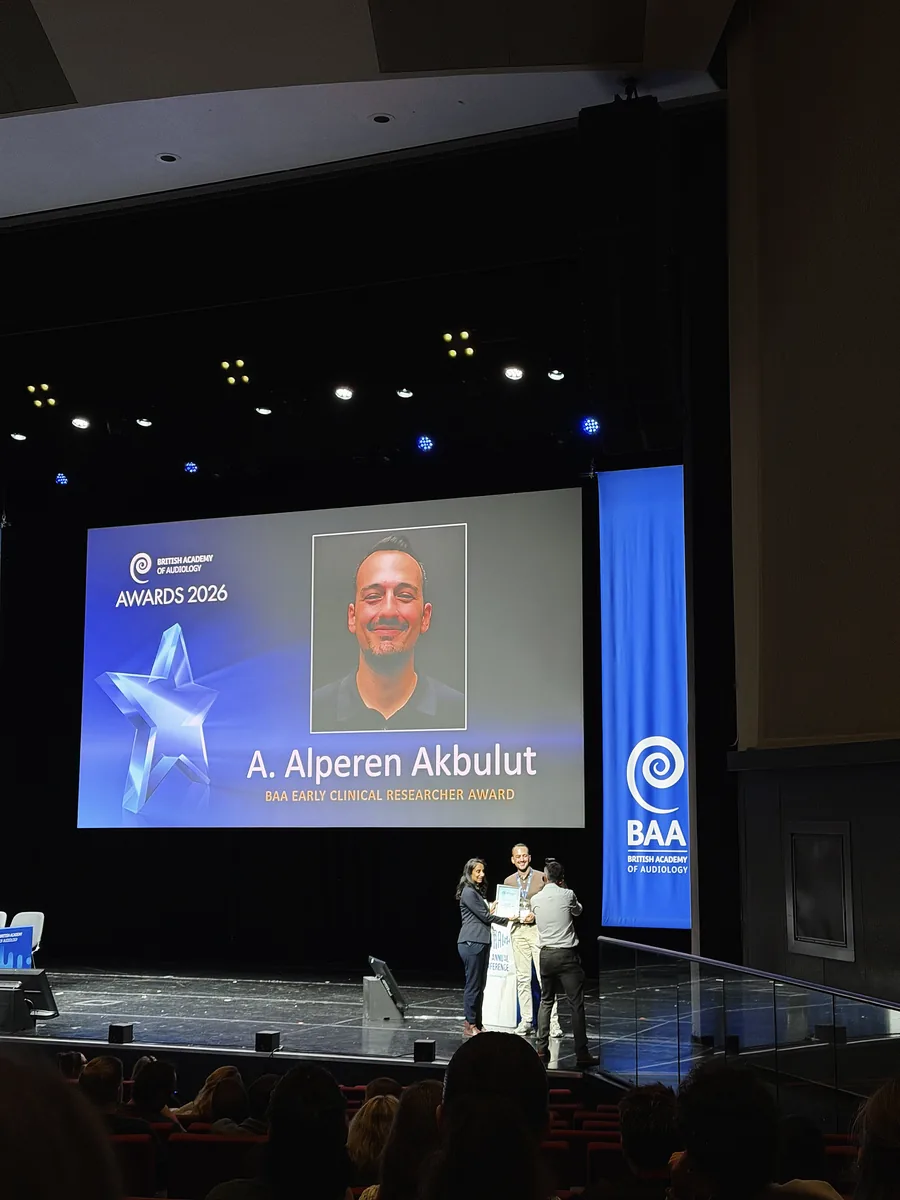
The afternoon of the second day began with the awards ceremony. This year the BAA presented awards in six categories. Nominations for the clinician, team and supervisor awards come from colleagues; the other three awards are given in the publication, Higher Training Scheme and early clinical research categories.10
The BAA Early Clinical Researcher Award recognises the research contribution to audiology of clinicians and researchers early in their careers. It was first presented in 2022 as the David Baguley Clinical Research Award, named after David Baguley, who was known for generously sharing his knowledge.10 This year's BAA Early Clinical Researcher Award was given to me. I would like to thank my mentors, my colleagues and everyone who has taken part in our research.
David Baguley Clinical Research Award
Edinburgh in 2028
The UK will host the International Society of Audiology's World Congress of Audiology in Edinburgh in 2028, and the congress is being organised by the BAA.11 The last time the country hosted the congress was in London in 1968.
World Congress of Audiology
37th World Congress of Audiology
22nd BAA Conference
38th World Congress of Audiology
Scenes from the conference
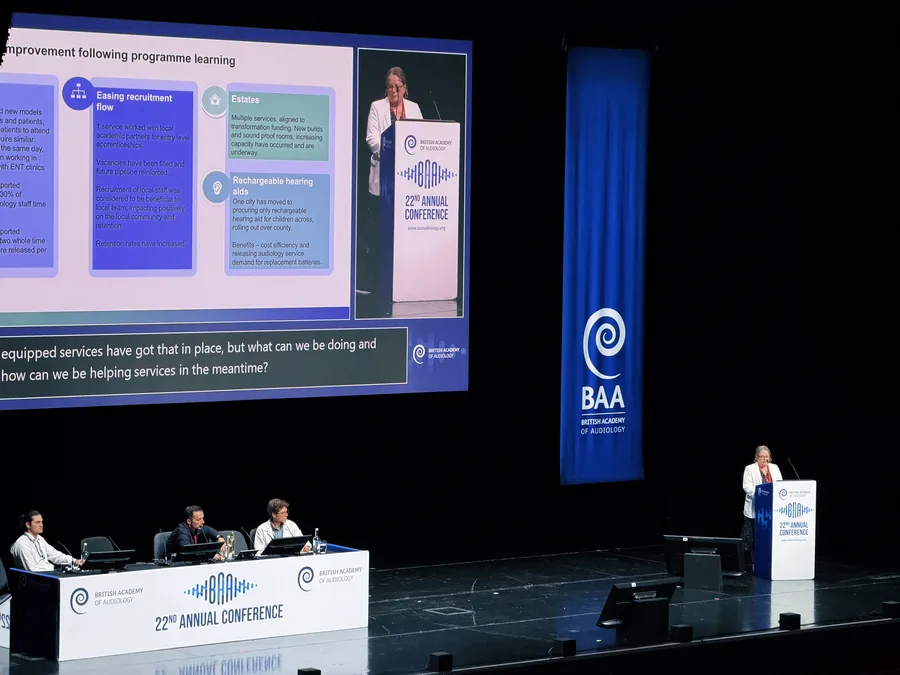
A few frames left over from two days. Tap a photo to enlarge it.
Source & Citation
Akbulut, A. A. (2026). Notes From BAA 2026: Clinical Audiology's Agenda in Liverpool. Auditory Scene. https://auditoryscene.com/post/baa-2026-kongre-notlari/
Alperen Akbulut
After completing his undergraduate degree in Audiology at Istanbul University, he earned a master’s degree in the Audiology and Speech Disorders program at Marmara University, where he is continuing his doctoral studies. From 2017 to 2020 he worked as a clinical specialist at Advanced Bionics; since 2020 he has been a lecturer in the Department of Audiology at the University of Health Sciences, Hamidiye Faculty of Health Sciences. His research focuses on music perception, music-related quality of life and the music–memory relationship in cochlear implant users; his work has appeared in journals such as Ear and Hearing and European Archives of Oto-Rhino-Laryngology. He is the founder of Auditory Scene, which aims to communicate audiology in an evidence-based and accessible way.
References
- British Academy of Audiology. (2026). BAA Conference 2026 and conference programme (29-30 October 2026, Liverpool Experience Campus). baaudiology.org/conference
- British Academy of Audiology. (2026). Abstracts, posters & free papers. baaudiology.org
- Ferguson, M. A., et al. (2026). Hearing aids for mild to moderate hearing loss in adults. Cochrane Database of Systematic Reviews, 2026(8), CD012023.pub3. cochrane.org
- Nottingham Clinical Trials Unit. FAMOUS: Follow-up and structured monitoring for adults offered a NHS hearing aid for the first time. nctu.ac.uk
- CBS News. (2014). Video captures 40-year-old woman hearing for the first time. cbsnews.com
- Bluetooth SIG. (2022). Industry experts provide a detailed look at Auracast broadcast audio. bluetooth.com
- British Society of Hearing Aid Audiologists. About BSHAA. bshaa.com; Audiology Worldnews. 30 years of independent wisdom (AIHHP). audiology-worldnews.com
- Hearing Dogs for Deaf People. Wikipedia. en.wikipedia.org
- Guyonnet-Hencke, T., Portoles, O., et al. (2025). Rapid estimation of frequency-specific hearing thresholds from cortical auditory evoked potentials. International Journal of Audiology, 64, 1182-1192.
- British Academy of Audiology. (2026). BAA Annual Awards. baaudiology.org
- ENT & Audiology News. (2022, 13 April). BAA to host World Congress of Audiology in 2028. entandaudiologynews.com